
Preventable hospitalizations place a heavy burden on patients, families, and the healthcare system. Emergency room visits and inpatient stays often happen not because a condition was unavoidable, but because warning signs were missed, care was delayed, or access to a primary care provider was limited. For many patients, especially seniors and those managing chronic conditions, these hospital visits disrupt daily life and increase health risks rather than improving long-term outcomes.
Proactive primary care changes this trajectory. When care is delivered consistently, early changes in health are identified and addressed before they escalate into emergencies. Mobile primary care brings this approach directly to patients, removing barriers that often prevent timely treatment.
WOHMS provides physician-led, patient-centered mobile primary care services throughout Phoenix, meeting patients in the comfort of their homes. By focusing on ongoing monitoring, personalized care plans, and rapid response when issues arise, WOHMS helps reduce unnecessary hospitalizations and supports better health outcomes.
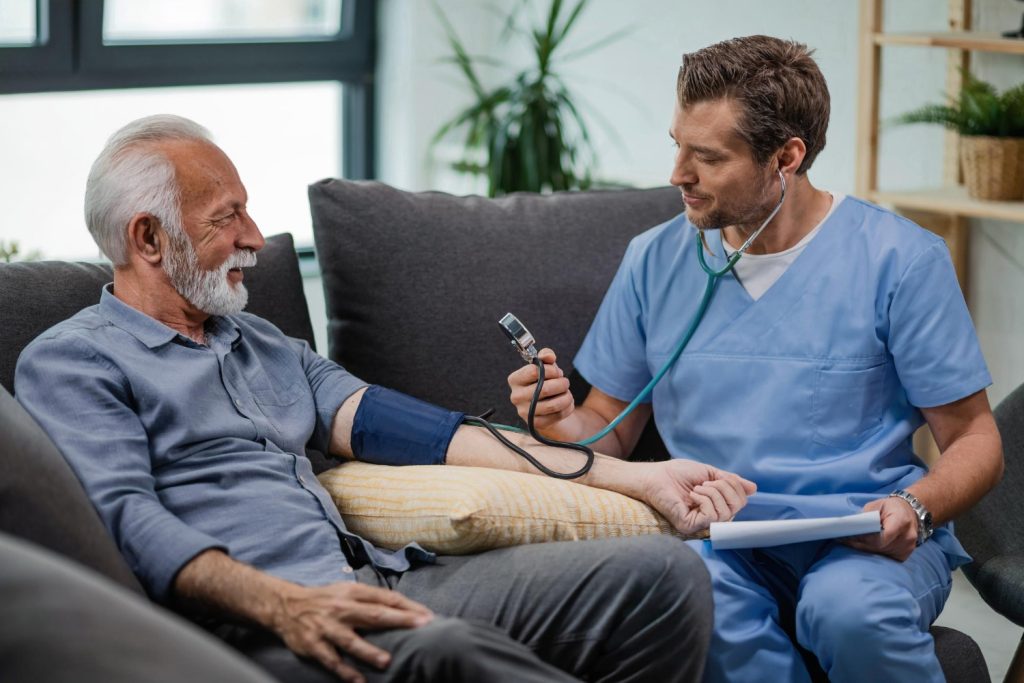
What Causes Preventable Hospitalizations
Preventable hospitalizations rarely result from a single event. They are usually the result of gaps in care that build over time. Understanding where these breakdowns occur helps explain why proactive, in-home primary care plays such a strong role in keeping patients out of the hospital.
Lack Of Consistent Primary Care
Many patients do not have an ongoing relationship with a primary care provider who knows their full medical history. Missed appointments, long scheduling delays, and rushed office visits lead to fragmented care. Without consistent oversight, small issues often go unnoticed until they become urgent enough to require hospitalization.
Delayed Treatment Of Chronic Conditions
Chronic conditions such as heart disease, diabetes, COPD, and hypertension require regular monitoring and timely adjustments. When follow-up visits are infrequent or difficult to schedule, symptoms may worsen silently. Delayed intervention often results in sudden flare-ups that could have been managed earlier in the home setting.
Medication Mismanagement
Medication-related issues are a leading cause of avoidable hospital admissions. Patients may take medications incorrectly, experience side effects, or unknowingly combine prescriptions that cause complications. Without regular medication reviews, problems such as dizziness, dehydration, or confusion can escalate quickly.
Missed Warning Signs Between Office Visits
Traditional care relies heavily on periodic office visits, leaving long gaps during which health changes go unaddressed. Subtle warning signs like swelling, shortness of breath, changes in mobility, or cognitive shifts may not seem urgent but often signal declining health. Without proactive monitoring, these signs are missed until an emergency occurs.
Transportation And Access Barriers In Phoenix
In a large metro area like Phoenix, transportation challenges can prevent patients from accessing timely care. Heat, distance, mobility limitations, and reliance on caregivers make office visits difficult. When getting to a clinic feels overwhelming, patients delay care, increasing the risk of preventable hospitalizations.
Why Traditional Care Models Fall Short
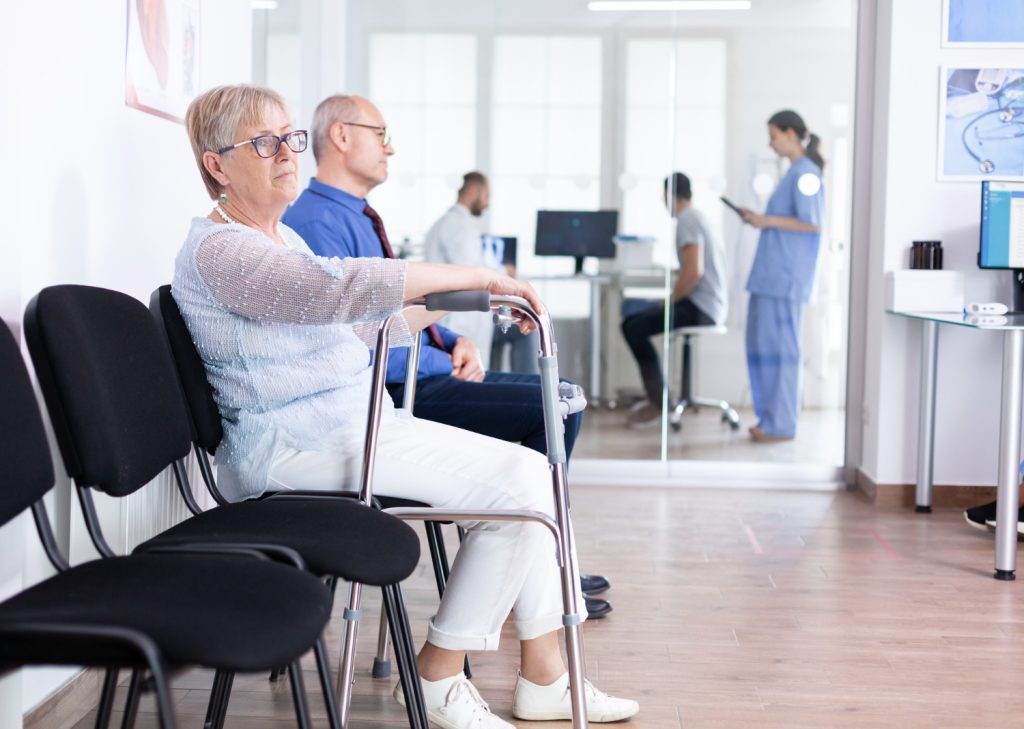
Traditional healthcare models were not designed to manage complex, ongoing needs outside of a clinical setting. While office-based primary care works well for routine checkups, it often falls short for patients who require closer monitoring and timely intervention, increasing the risk of avoidable hospital visits.
Short Appointment Times
Most primary care appointments are limited to brief time slots that prioritize efficiency over depth. Providers must address multiple concerns quickly, leaving little time to explore subtle changes in health, review medications thoroughly, or understand challenges patients face at home. Important details are often missed, especially for patients managing multiple conditions.
Reactive Care Instead Of Ongoing Monitoring
Traditional care tends to be reactive, addressing problems only after symptoms become severe enough to prompt an office visit or emergency care. There is little visibility into what happens between appointments. Without regular monitoring, early warning signs go unnoticed until they escalate into urgent situations that require hospitalization.
Difficulty Accessing Care When Symptoms First Appear
When new symptoms arise, patients often struggle to secure timely appointments. Long wait times, limited after-hours access, and reliance on urgent care or emergency rooms delay appropriate treatment. This gap increases the likelihood that manageable issues progress into medical emergencies.
Fragmented Communication Between Providers
Patients frequently see multiple specialists, yet communication between providers is often inconsistent. Test results, medication changes, and care plans may not be fully shared, leading to confusion and duplicated or conflicting treatments. This lack of coordination increases risk and contributes to preventable hospital admissions.
These systemic limitations highlight the need for a care model that prioritizes continuity, access, and proactive management.
What Proactive Mobile Primary Care Looks Like

Proactive mobile primary care shifts the focus from office-based, episodic treatment to continuous, relationship-driven care delivered where patients actually live. This model is designed to identify issues early, manage conditions consistently, and reduce the need for emergency care or hospitalization.
Care Delivered In The Home
Receiving care at home allows providers to see factors that are often missed in a clinical setting. Home visits reveal mobility challenges, fall risks, medication storage issues, and environmental concerns that directly affect health. Care delivered in the home removes transportation barriers and allows patients to receive timely attention without the stress of traveling to an office.
Physician-Led Decision-Making
A physician-led model ensures that medical decisions are made with high clinical oversight and continuity. Physicians direct care plans, assess changes in condition, and coordinate treatment rather than relying solely on referrals or delayed follow-ups. This leadership supports faster intervention and more precise management of complex health needs.
Regular Monitoring Instead Of Episodic Visits
Rather than waiting for symptoms to become severe, proactive mobile care emphasizes ongoing monitoring. Regular check-ins allow providers to track trends in vital signs, symptoms, and functional changes. Small adjustments can be made early, often preventing complications that would otherwise require hospitalization.
Care Plans Tailored To Real Living Conditions
Care plans are built around how patients live day to day. Providers account for mobility limitations, caregiver availability, nutrition, medication routines, and home safety. This practical approach leads to plans that patients can realistically follow, improving adherence and outcomes.
Stronger Patient-Provider Relationships
Frequent, unhurried interactions build trust and communication. Patients are more likely to report changes early and follow guidance when they feel heard and understood. These stronger relationships are central to preventing avoidable health crises and keeping patients safely at home.
How Mobile Pcp Services Prevent Hospitalizations
Mobile primary care services reduce hospitalizations by addressing health issues before they escalate into emergencies. By delivering physician-led care directly in the home, this model closes many of the gaps that lead to avoidable ER visits and inpatient stays.
Early Identification Of Changes In Health Status
Regular in-home visits allow providers to identify subtle changes that may not seem urgent but often signal a developing problem. Early detection of changes in breathing, swelling, mobility, appetite, cognition, or vital signs is possible. Because providers see patients in their normal environment, it becomes easier to recognize deviations from baseline and intervene before symptoms worsen.
Chronic Condition Management At Home
Chronic conditions such as heart failure, diabetes, COPD, and hypertension require ongoing oversight. Mobile PCP services enable these conditions to be managed proactively through regular assessments, medication adjustments, and home education. Early intervention helps prevent flare-ups that commonly result in emergency department visits or hospital admissions.
Medication Review And Adherence
Medication issues are a frequent cause of preventable hospitalizations. In-home care allows providers to review all medications directly, including prescriptions, over-the-counter drugs, and supplements. Providers can identify duplications, interactions, or dosing errors that might otherwise go unnoticed. Education and simplified regimens improve adherence and reduce side effects that lead to hospital visits.
Same-Day Or Rapid Response Visits
When symptoms change, mobile PCP services can respond quickly without requiring patients to travel. Same-day or rapid response visits allow providers to assess issues such as infections, dehydration, pain, or respiratory concerns early. Timely care often prevents conditions from escalating to the point where emergency intervention is needed.
Coordination With Specialists, Home Health, And Caregivers
Mobile primary care serves as the central point of coordination. Providers communicate with specialists, home health agencies, and caregivers to align care plans and share updates. This coordination reduces confusion, prevents conflicting treatments, and ensures continuity of care. With clear communication and proactive oversight, patients are better supported and less likely to experience avoidable hospitalizations.
Who Benefits Most From Proactive Mobile Services
Proactive mobile primary care services are designed for patients who need consistent oversight and timely access to medical care. While many patients benefit from in-home services, certain groups experience the greatest impact, including reduced hospitalizations and improved quality of life.
Seniors And Aging Adults
As people age, managing health often becomes more complex. Mobility limitations, multiple medications, and chronic conditions increase the risk of medical emergencies. Mobile services provide regular monitoring and early intervention, helping seniors remain safely at home while avoiding unnecessary hospital visits.
Patients With Multiple Chronic Conditions
Individuals managing more than one chronic condition face higher risks when care is fragmented. Conditions such as heart disease, diabetes, COPD, and hypertension require coordinated management. Proactive mobile care allows providers to monitor these conditions together, adjust treatment plans, and address issues before they escalate.
Recently Discharged Hospital Patients
The period following hospital discharge is a high-risk time for readmission. Medication changes, new care instructions, and follow-up appointments can be overwhelming. Mobile PCP services provide timely home follow-up, helping patients stabilize, recover, and avoid returning to the hospital.
Homebound Or Transportation-Limited Individuals
Patients who struggle with transportation often delay care until symptoms become severe. Mobile services remove this barrier by bringing care directly to the home. This access allows issues to be addressed early, reducing reliance on emergency care.
Families Seeking Continuity Of Care
Families benefit from a consistent provider who understands the patient’s history and needs. Mobile primary care offers continuity, clear communication, and peace of mind, supporting both patients and caregivers over the long term.
Why Wohms Is Different
WOHMS was built to address the gaps left by traditional healthcare models. Every part of the organization is designed around proactive, accessible care that keeps patients healthier at home and reduces avoidable hospitalizations.
Physician-Led Care Model
WOHMS operates under a physician-led model, ensuring that medical decisions are guided by experienced clinical leadership. Physicians oversee care plans, assess changes in health status, and intervene early when concerns arise. This structure supports continuity of care and faster clinical decision-making, especially for patients with complex needs.
Patient-Centered Approach
Care at WOHMS is centered on the individual, not a diagnosis or appointment slot. Providers take time to understand each patient’s medical history, daily routines, and personal challenges. This approach leads to care plans that are practical, realistic, and aligned with patient goals, improving adherence and outcomes.
Locally Owned And Phoenix-Based
As a locally owned organization, WOHMS is deeply connected to the Phoenix community. The care team understands the unique challenges patients face in the Valley, including extreme heat, transportation barriers, and limited access to timely primary care. Local ownership allows WOHMS to remain responsive and invested in the communities it serves.
Deep Understanding Of Local Healthcare Gaps
WOHMS recognizes where traditional systems fall short, especially for seniors and medically complex patients. By focusing on in-home care, proactive monitoring, and rapid response, WOHMS addresses these gaps directly rather than working around them.
Care Designed Around Patients, Not Office Schedules
WOHMS delivers care on the patient’s schedule. Visits are unhurried, responsive, and based on need rather than clinic availability. This flexibility allows issues to be addressed early and supports long-term stability at home.
Real-World Outcomes To Expect
Real-world outcomes are where proactive mobile primary care delivers the greatest value. When patients receive consistent, physician-led care at home, avoidable emergencies decline, and long-term stability improves.
Fewer ER Visits
Early identification of health changes reduces the need for emergency care. Symptoms are addressed before they escalate, limiting last-minute trips to the emergency room that often result from delayed access to care.
Reduced Hospital Admissions
Ongoing monitoring, medication management, and rapid response visits help prevent conditions from worsening. Patients experience fewer hospital stays because issues are managed proactively rather than reactively.
Earlier Interventions
Mobile primary care allows providers to act at the first signs of decline. Adjustments to treatment plans, medications, or care routines happen sooner, which often prevents complications that require inpatient care.
Improved Quality Of Life
Receiving care at home supports comfort, independence, and routine. Patients experience less stress, fewer disruptions, and greater confidence in managing their health. Care plans are designed around daily life, not clinic schedules.
Greater Peace Of Mind For Families
Families benefit from knowing support is readily available. Clear communication, consistent providers, and timely intervention reduce uncertainty and stress, allowing families to focus on care rather than crisis management.
Getting Started With Mobile Primary Care In Phoenix
Getting started with mobile primary care in Phoenix is designed to be simple, straightforward, and supportive for both patients and families. WOHMS focuses on removing barriers so care can begin without unnecessary delays. Families ready to explore mobile primary care can contact WOHMS to schedule an initial consultation. Early engagement helps prevent avoidable hospitalizations and supports long-term health at home.